

Indigenous communities from the Haisla, Nisga’a, Metlakatla, and Halfway River Nations in northwest BC are at the heart of a $60 billion opportunity to drive Canada’s clean energy future. The First Nations Climate Initiative (FNCI) has outlined a series of Indigenous-led projects in clean energy, critical minerals, and resource production, aimed at reducing global emissions and powering local economic growth. These projects include the production of hydrogen, ammonia, LNG, and critical minerals, as well as the creation of essential transmission infrastructure powered by renewable energy. FNCI is calling on the federal and provincial governments to take decisive action by expanding investment tax credits for intra-provincial transmission, allowing Indigenous-led carbon offsets to count towards climate obligations, and integrating Indigenous-led exports into Canada’s trade strategy with Asia. These policy changes would not only help Canada meet its climate targets but also enhance trade relationships with Asia’s rapidly growing economies. By supporting these projects, Canada can become a global leader in decarbonization while ensuring that Indigenous nations, such as the Haisla, Nisga’a, Metlakatla, and Halfway River, play a central role in building a sustainable, prosperous future.

Indigenous Nations Lead $60B Clean Energy Revolution in Canada
Jun 27, 2025 | 12:48 PM
Latest

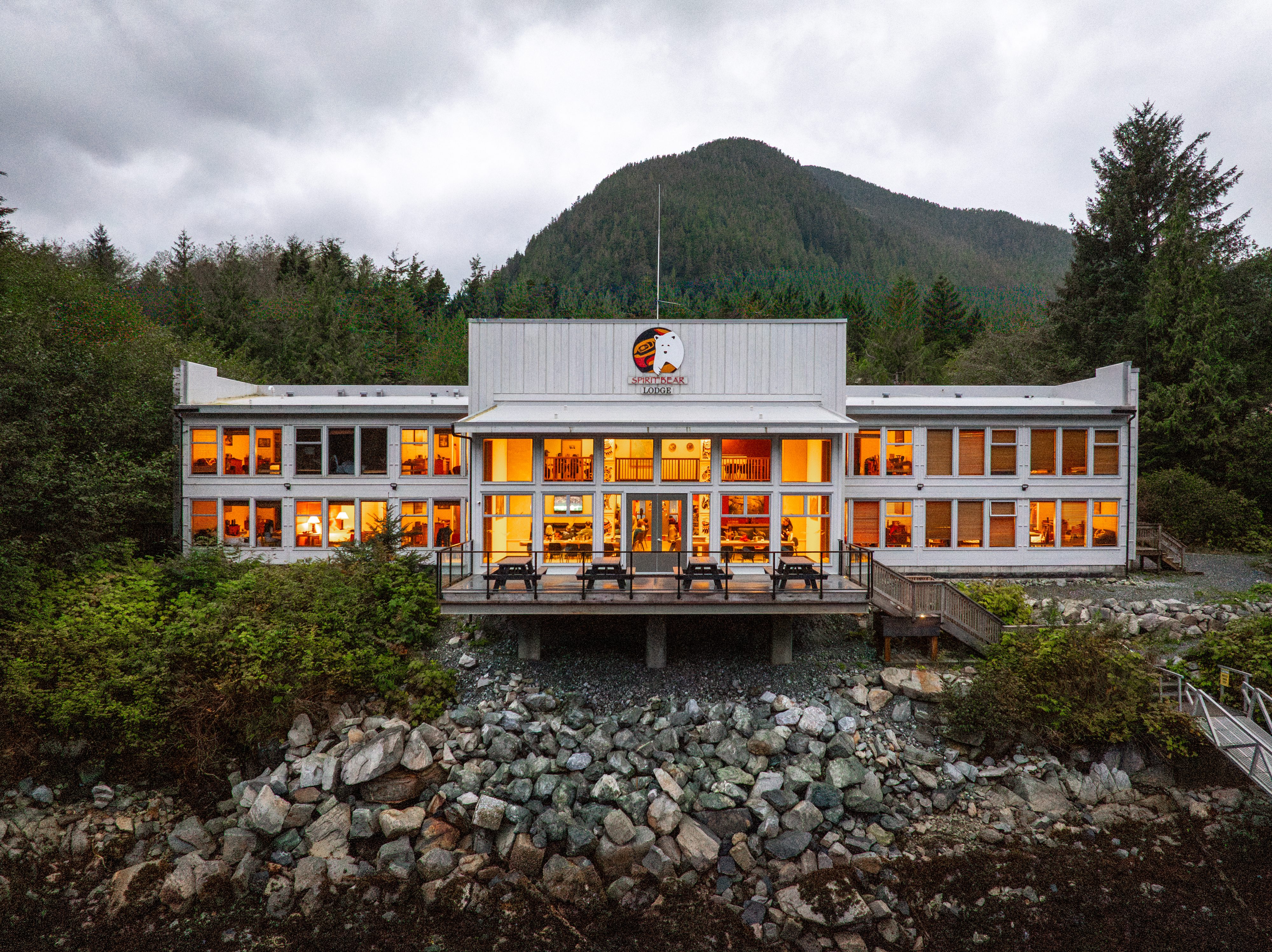
Kitasoo Xais' Xais Celebrating 25 years of Spirit Bear Lodge
The Kitasoo Xais' Xais Nation is celebrating 25 years of the Spirit Bear Lodge tomorrow Wednesday October 28th. The lodge started in 1999 as a float house operation and became a permanent lodge building as it opened in 2007. Roxanne Robinson Lodge Ma...
1h ago

7 of 12 million tonnes of annual production now earmarked as Ksi Lisims LNG continues to collect international agreements

Cedar LNG terminal gets traditional Haisla name as it hits 75% completion
Good Medicine | Amanda Quill | Paranormal Investigator
Over half of all Pacific salmon populations are declining, according to new report on the state of salmon spawning

On Air Now
Afternoon Drive with The Chad
2:00 PM - 5:59 PM
Comments